Iranian Energy Infrastructure: Stunning Threat, Best Alert


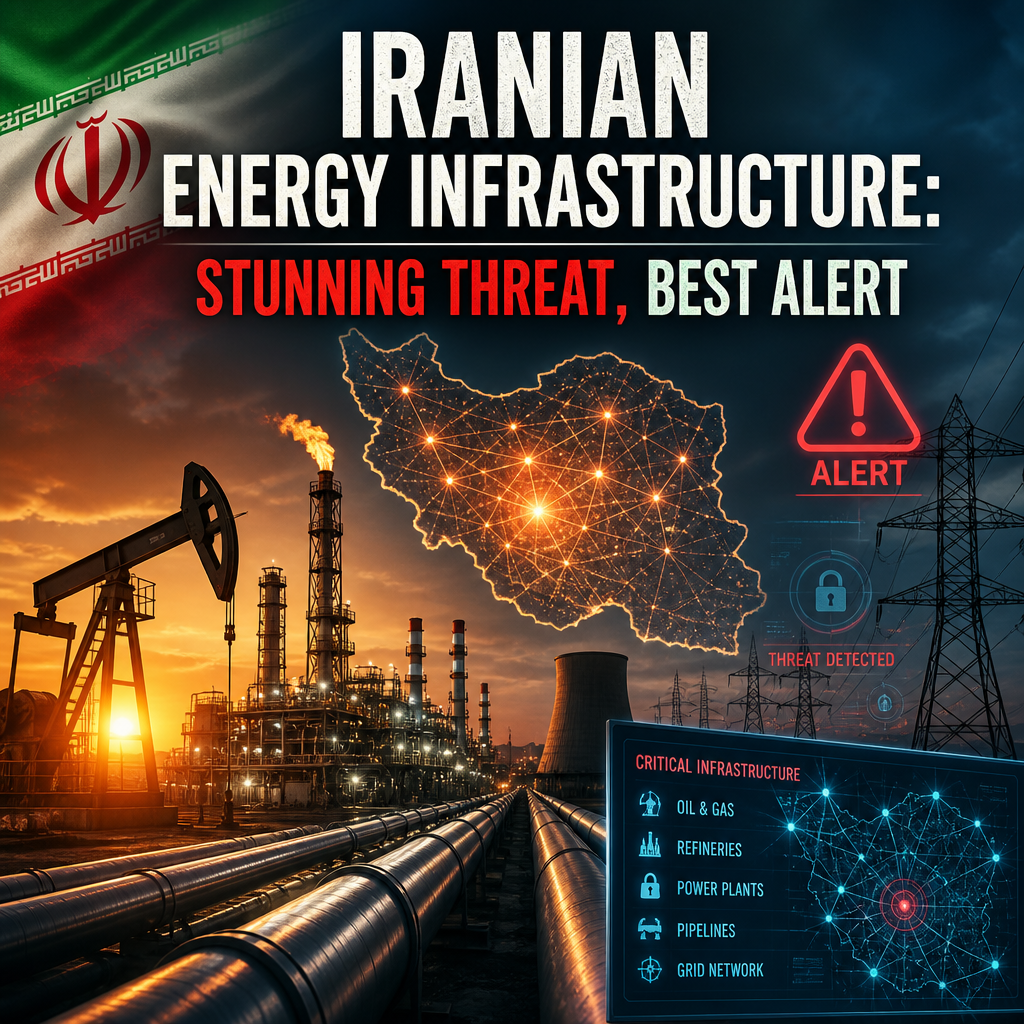
Iranian Energy Infrastructure is once again at the center of a dangerous regional standoff, and the latest warnings suggest that the biggest risk is not just military escalation but disruption to the systems that keep economies and households running. Across international coverage, one theme stands out clearly: even the threat of strikes on energy sites can ripple far beyond the battlefield, affecting shipping, fuel prices, diplomatic efforts, and civilian stability.
The concern is not theoretical. Iran sits on some of the world’s most strategically important oil and gas assets, and its infrastructure is closely tied to regional trade routes, especially the Strait of Hormuz. That means any attack, sabotage, or even the perception that such an attack could happen tends to trigger immediate anxiety in markets and governments alike. The picture emerging from multiple news outlets is less about a single incident and more about a widening pattern of pressure, retaliation fears, and uncertainty.



Why Iranian Energy Infrastructure Matters So Much
Iran’s energy network is not just a national asset; it is a regional pressure point. Oil terminals, refineries, pipelines, and gas facilities are essential to Iran’s domestic economy, but they also shape the calculations of other states, especially those worried about supply shocks.
Reports and analysis from outlets covering the crisis highlight three major reasons the stakes are so high:




– Energy exports influence global markets. Even partial disruption can move oil prices and unsettle shipping insurance costs.
– Civilian life depends on stable output. Damage to power or fuel systems can quickly affect transport, heating, industry, and public services.
– The region is already tense. With ongoing conflict dynamics involving Iran, Israel, and the United States, infrastructure becomes both a target and a bargaining chip.
That is why warnings about possible strikes on Iranian facilities draw so much attention. Some coverage frames such threats as a deterrent message, meant to raise the cost of escalation. Other reporting suggests the danger lies precisely in that logic: once energy assets are treated as legitimate targets, the conflict becomes harder to contain.
Al Jazeera’s broader regional reporting often emphasizes the humanitarian and political fallout of escalation, particularly for civilians who have little control over state-to-state conflict. RT’s coverage tends to stress the geopolitical confrontation itself, often focusing on the risks of Western or Israeli military action and the possibility of wider retaliation. Sky News, meanwhile, usually places greater weight on the strategic and security implications for international audiences, including how instability can affect markets and alliance politics. Taken together, these perspectives point to the same basic conclusion: energy infrastructure is not just another piece of military hardware. It is a nerve center.
Iranian Energy Infrastructure and the Risk of Miscalculation
What makes this situation especially alarming is that both sides may believe they are acting defensively. That is where miscalculation becomes a serious danger.
If one state views an energy installation as part of a military network, it may argue that a strike is justified. But the targeted side is likely to interpret that same strike as economic warfare, not just battlefield action. Once that happens, retaliation pressure rises. A response could come through direct military means, proxy groups, cyberattacks, or pressure on shipping lanes.
This is why many analysts warn that attacks on energy systems can escalate faster than expected. Unlike a conventional battlefield target, an oil terminal or gas plant affects national survival, state revenue, and international confidence all at once. The symbolism is also powerful: damaging a refinery is seen not only as a physical blow, but as a challenge to sovereignty.
There is also the practical question of precision. Modern weapons may be more accurate than in past conflicts, but energy infrastructure is complex and vulnerable. A strike intended to disable one facility can trigger fires, pollution, power shortages, and long repair timelines. In a worst-case scenario, even limited damage can create cascading effects across the economy.
What the different source angles suggest
The reporting environment shows a fair amount of overlap, but also important differences in emphasis:
– RT-style framing tends to highlight the possibility that U.S. or Israeli action could provoke broader war and energize anti-Western sentiment.
– Al Jazeera’s angle generally foregrounds civilian risk, regional instability, and the political costs of escalation.
– Sky News coverage often focuses on security strategy, international response, and the effect on oil markets and diplomacy.
That variety matters because it prevents a simplistic reading of the situation. The issue is not only who might strike first. It is also what happens after, how quickly narratives harden, and whether off-ramps still exist.
The Best Alert Is a Realistic One
If there is one responsible takeaway, it is that the strongest warning is not alarmism but clarity. Iranian energy infrastructure represents a genuine strategic vulnerability, and threats to it should be taken seriously. At the same time, overstating certainty can be just as dangerous as ignoring the risk. In a fast-moving crisis, rumors and preliminary reports often travel faster than verified facts.
The best alert, then, is a sober one: energy sites are among the most consequential targets in the region, any attack could spread far beyond Iran’s borders, and the knock-on effects would likely be felt in global markets and civilian life long before any diplomatic resolution is reached.
For now, the balance of evidence suggests a precarious status quo rather than an inevitable outcome. But the margin for error is very thin. When energy infrastructure becomes part of the threat calculus, the line between deterrence and disaster gets dangerously hard to see.